Neurosurgery and Neuromedicine

Advanced neurosurgery and neuromedicine treatments for brain, spine, and nerve disorders using modern diagnostics and surgical techniques.
Neurosurgery and Neuromedicine

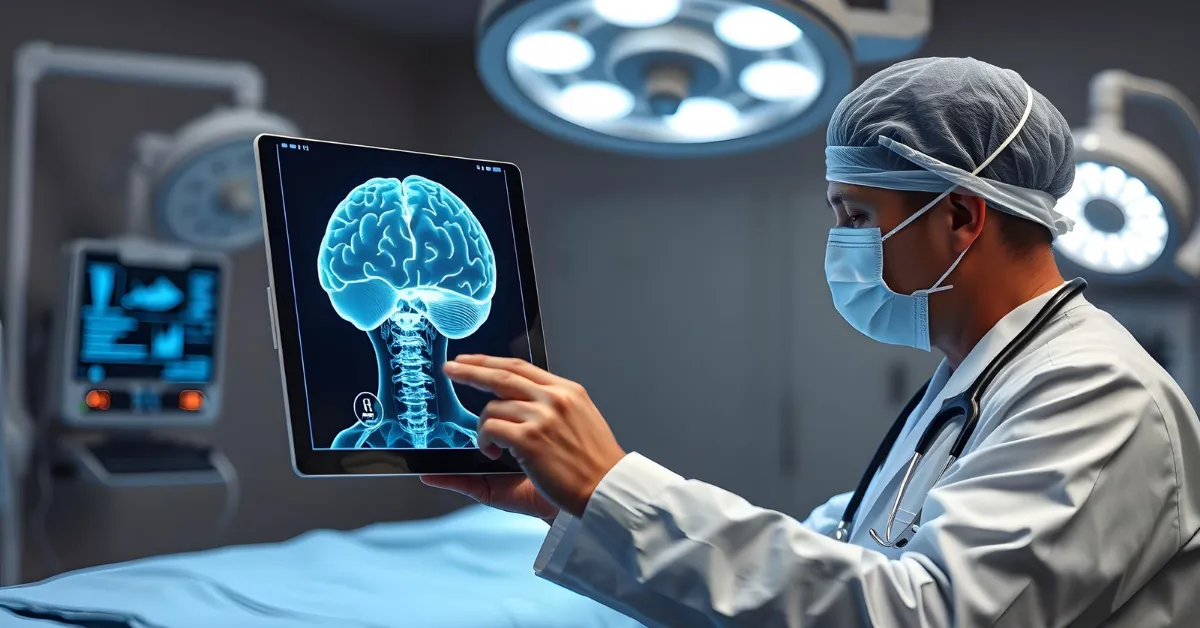
Neurosurgery and Neuromedicine has evolved into a highly specialized medical field offering advanced diagnosis, precise surgical intervention, and long-term neurological care. From complex brain conditions to spinal disorders and nerve-related illnesses, modern neurological treatment focuses on accuracy, safety, and faster recovery. Patients benefit from evidence-based protocols, minimally invasive techniques, and coordinated care between neurosurgeons and neurologists. 

With access to advanced imaging, neuro-monitoring, and rehabilitation services, treatment outcomes continue to improve. This integrated approach ensures that patients receive timely intervention, reduced complications, and comprehensive post-treatment support, making neurological care more patient-centric, outcome-driven, and future-ready.

What is Neurosurgery and Neuromedicine?

Neurosurgery and Neuromedicine work together to diagnose and treat disorders affecting the brain, spine, spinal cord, and nerves.

Neurosurgery focuses on:

  • Surgical management of neurological disorders: Procedures are performed to correct structural issues such as tumors, bleeding, nerve compression, or trauma.
  • Minimally invasive and precision surgeries: Smaller incisions reduce tissue damage, pain, and recovery time.
  • Emergency and elective brain and spine procedures: Includes life-saving surgeries and planned corrective interventions.

Neuromedicine focuses on:

  • Non-surgical management of neurological conditions: Conditions like epilepsy, migraines, stroke, and neuropathy are managed medically.
  • Long-term disease control and monitoring: Chronic neurological illnesses require continuous evaluation and medication optimization.
  • Preventive and rehabilitative neurological care: Focuses on slowing disease progression and improving quality of life.

Conditions Treated Under Neurosurgery and Neuromedicine

Brain-related conditions

  • Brain tumors: Surgical removal or medical management depending on tumor type and location.
  • Stroke and brain hemorrhage: Emergency intervention to restore blood flow or control bleeding.
  • Epilepsy and seizure disorders: Managed through medications or surgery when drug-resistant.
  • Head injuries and trauma: Immediate care to reduce brain swelling and prevent long-term damage.

Spine and nerve conditions

  • Slipped disc and spinal stenosis: Compression relief through conservative or surgical treatment.
  • Sciatica and nerve compression: Targeted therapy to reduce pain and nerve damage.
  • Spinal tumors and infections: Precise diagnosis and timely intervention prevent neurological deficits.
  • Degenerative spine disorders: Managed with lifestyle changes, medications, or surgery when required.

Why Integrated Care Matters

  • Accurate diagnosis: Combined neurological exams and imaging reduce misdiagnosis.
  • Right treatment selection: Surgery is advised only when medical management is insufficient.
  • Lower complication rates: Multidisciplinary planning improves surgical outcomes.
  • Faster recovery and rehabilitation: Early physiotherapy and neuro-rehab improve functional recovery.

Advanced Diagnostic Technologies Used

  • MRI and CT brain imaging: High-resolution scans detect minute abnormalities.
  • EEG and nerve conduction studies: Measure electrical activity and nerve function.
  • Functional MRI and neuro-navigation: Helps plan precise surgical routes.
  • Intraoperative neuro-monitoring: Protects vital nerves during surgery.

Neurosurgery and Neuromedicine in Adambakkam – Localized Expert Care

  • Early diagnosis close to home: Timely consultations reduce disease progression.
  • Advanced imaging and diagnostics: Ensures accuracy even in early-stage conditions.
  • Personalized treatment planning: Tailored based on age, lifestyle, and condition severity.
  • Continuity of care: Easier follow-ups improve treatment adherence.

Surgical Approaches Used

  • Minimally invasive brain surgery: Reduces blood loss and hospital stay.
  • Endoscopic spine surgery: Smaller incisions with faster recovery.
  • Microsurgery techniques: High precision for delicate nerve structures.
  • Emergency neuro-trauma surgery: Rapid response protocols save lives.

Medical Management in Neuromedicine

  • Medication optimization: Adjusted based on response and side effects.
  • Lifestyle and risk factor control: Blood pressure, sugar, and cholesterol management.
  • Neuro-rehabilitation programs: Improve mobility, speech, and cognition.
  • Mental health support: Addresses anxiety, depression, and cognitive changes.

Before Care – Preparing for Treatment

Proper preparation improves outcomes in Neurosurgery and Neuromedicine.

  • Detailed neurological evaluation: Identifies risks and treatment suitability.
  • Imaging and lab investigations: Confirms diagnosis and surgical planning.
  • Medication review: Blood thinners and supplements adjusted safely.
  • Patient education and counseling: Sets realistic expectations and reduces fear.

After Care – Recovery and Long-Term Support

  • Post-operative monitoring: Early detection of complications.
  • Pain and symptom management: Ensures comfort and stability.
  • Physiotherapy and rehabilitation: Restores strength and coordination.
  • Regular neurological follow-ups: Prevents recurrence and disease progression.

Who Should Seek Neurosurgical or Neuromedical Care?

  • Persistent headaches or seizures
  • Sudden weakness or numbness
  • Chronic back or neck pain with nerve symptoms
  • Memory loss or speech difficulty
  • Loss of balance or coordination

Early evaluation reduces long-term damage.

Conclusion

Neurosurgery and Neuromedicine represent a modern, integrated approach to treating complex brain and spine disorders with precision and compassion. Combining surgical expertise with advanced medical management ensures that patients receive the right treatment at the right time. With evolving technology, minimally invasive techniques, and structured rehabilitation, outcomes continue to improve significantly. Timely diagnosis, expert care, and consistent follow-up play a crucial role in restoring neurological function and improving quality of life. Choosing comprehensive neurological care today is an investment in long-term brain and nerve health.

Frequently Asked Questions

Common questions about Neurosurgery and Neuromedicine and our services

Neurosurgery is recommended when structural problems such as tumors, bleeding, severe nerve compression, or trauma cannot be managed with medication alone. If symptoms worsen despite medical treatment or there is risk of permanent neurological damage, surgery becomes necessary to correct the underlying cause safely.

Modern neurosurgery is far safer than before due to advanced imaging, neuro-navigation, and minimally invasive techniques. While all surgeries carry some risk, careful planning, experienced specialists, and post-operative monitoring significantly reduce complications and improve recovery outcomes.

Recovery depends on the condition, type of surgery, and patient health. Minor procedures may allow recovery within weeks, while complex brain or spine surgeries may take months. Rehabilitation, physiotherapy, and regular follow-ups play a key role in achieving full functional recovery.

Related Blogs

Please select listing to show.

Need Medical Assistance? Book an Appointment Now!

Take the first step toward better digestive health. Book an appointment with our laparoscopy and gastroenterology team to receive expert care, clear guidance, and advanced minimally invasive solutions tailored to your needs.