Orthopaedic and Sports Injury

Expert orthopaedic and sports injury care for fractures, ligament tears, joint pain, rehabilitation, and performance recovery programs.
Orthopaedic and Sports Injury

Orthopaedic and Sports Injury is no longer limited to professional athletes—it affects working professionals, fitness enthusiasts, older adults, and even students. From sudden ligament tears to long-term joint degeneration, musculoskeletal injuries can disrupt mobility, productivity, and quality of life. With increasing gym culture, desk-job strain, road traffic accidents, and lifestyle-related joint stress, the demand for timely and expert orthopaedic care is rising fast.

Modern treatment focuses not just on pain relief, but on restoring strength, flexibility, and confidence through evidence-based care, advanced diagnostics, and structured rehabilitation—so patients can move freely again without fear of re-injury.

What is an Orthopaedic and Sports Injury?

  • Definition explained simply
    • Orthopaedic and sports injuries involve damage to bones, joints, muscles, ligaments, tendons, or nerves.
    • These injuries can be sudden (acute) or develop gradually due to overuse.
  • Why they matter
    • Untreated injuries can cause chronic pain, stiffness, and long-term disability.
    • Early evaluation improves healing speed and functional recovery.
  • Who is commonly affected
    • Athletes, gym-goers, runners
    • IT professionals with posture-related strain
    • Older adults with degenerative joint conditions

Common Types of Orthopaedic and Sports Injuries

  • Ligament injuries
    • ACL, PCL, MCL tears often occur during sudden twisting or impact.
    • Lead to instability and reduced knee confidence if untreated.
  • Muscle strains and tears
    • Common in hamstrings, calves, shoulders, and lower back.
    • Caused by improper warm-up or overload.
  • Tendon injuries
    • Tennis elbow, Achilles tendinitis, rotator cuff injuries.
    • Result from repetitive stress and poor biomechanics.
  • Joint injuries
    • Meniscus tears, shoulder dislocations, ankle sprains.
    • Affect range of motion and daily activity.
  • Fractures and stress fractures
    • Occur due to trauma or repetitive load on weakened bones.

Why Orthopaedic and Sports Injuries Are Increasing

  • Lifestyle shift: Sedentary workdays + sudden intense workouts = injury risk.
  • Poor movement patterns: Incorrect lifting techniques and posture issues.
  • Lack of recovery: Ignoring rest days and early pain signals.
  • Aging joints: Natural wear combined with high activity levels.

Symptoms You Should Never Ignore

  • Persistent joint pain lasting more than a few days
  • Swelling, redness, or warmth around a joint
  • Reduced range of motion or stiffness
  • Clicking, locking, or joint instability
  • Pain during activity or even at rest

Ignoring these signs can worsen the injury and delay recovery.

Diagnosis: Getting It Right from Day One

  • Clinical evaluation
    • Detailed movement assessment and injury history.
  • Imaging tests
    • X-ray for bone injuries
    • MRI for ligaments, tendons, cartilage
    • Ultrasound for soft-tissue damage
  • Functional assessment
    • Strength, balance, and flexibility checks to identify root causes.

Advanced Treatment Approaches

  • Conservative management
    • Rest, activity modification, bracing, and medication.
    • Ideal for mild to moderate injuries.
  • Physiotherapy-led recovery
    • Strength training, mobility drills, and neuromuscular control.
    • Focused on preventing recurrence.
  • Injection therapies
    • PRP or corticosteroid injections for inflammation control.
  • Minimally invasive surgery
    • Arthroscopy for ligament repair and cartilage issues.
    • Faster recovery, smaller scars, better precision.

Before Care: How to Prepare for Treatment

  • Early consultation: Don’t “play through pain”—early care prevents complications.
  • Activity modification: Stop high-impact movements until evaluated.
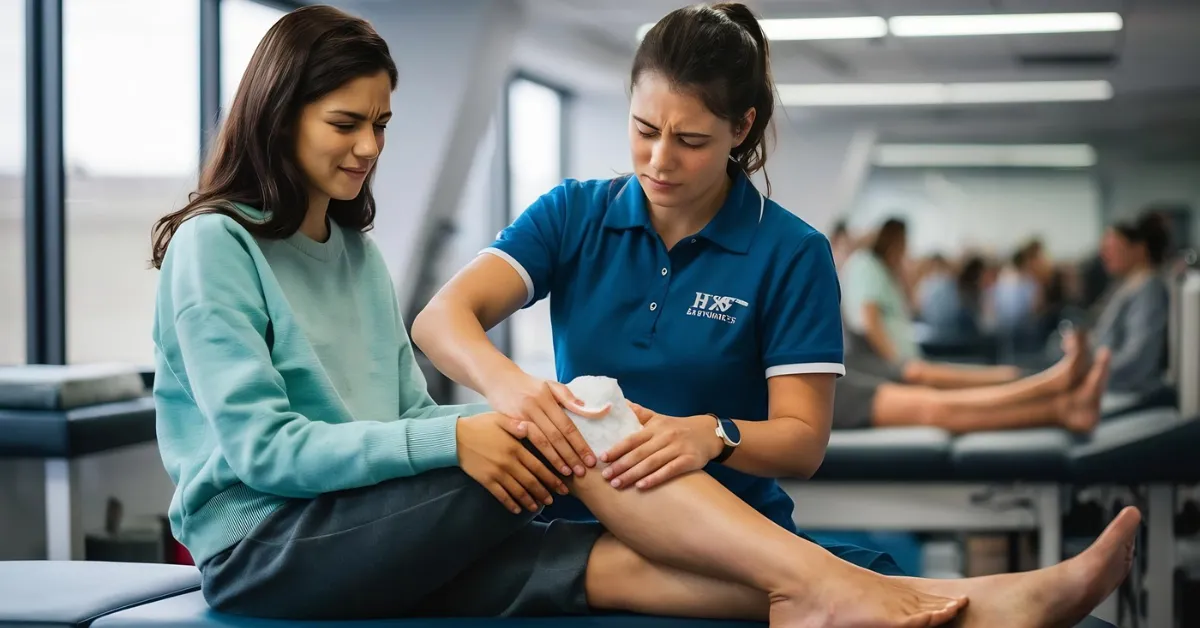
  • Basic injury management: Ice, compression, and elevation for acute swelling.
  • Mental readiness: Recovery is a process—consistency matters more than speed.

Rehabilitation and Recovery Strategy

  • Phase-based healing: Pain control → mobility restoration → strength building → performance training.
  • Personalized rehab plans: Tailored to age, fitness level, and injury severity.
  • Return-to-activity testing: Ensures joints are stable before resuming sports or workouts.
  • Injury education: Learning proper form reduces future risk.

After Care: Protecting Long-Term Joint Health

  • Regular strengthening: Focus on core, hips, and stabilizing muscles.
  • Flexibility routines: Prevent stiffness and imbalance.
  • Posture and ergonomics: Especially critical for desk workers.
  • Lifestyle tuning: Adequate sleep, nutrition, and hydration support healing.

Why Timely Orthopaedic Care Matters

  • Reduces risk of chronic pain
  • Prevents joint degeneration
  • Improves athletic and daily performance
  • Restores confidence in movement

Conclusion

Orthopaedic and Sports Injury requires more than painkillers and rest—it demands precision diagnosis, personalized treatment, and smart rehabilitation. Whether the injury comes from sports, work stress, or everyday movement, early and expert care makes recovery faster and safer. With the right approach, patients can regain strength, protect joint health, and return to an active lifestyle without fear. Movement is freedom, and protecting it through structured orthopaedic care is one of the smartest health decisions you can make today.

Frequently Asked Questions

Common questions about Orthopaedic and Sports Injury and our services

Recovery time depends on injury type, severity, and treatment approach. Minor strains may heal in weeks, while ligament injuries can take months. Early diagnosis, physiotherapy, and adherence to rehab plans significantly shorten recovery and reduce the risk of re-injury.

Yes. Many injuries respond well to conservative treatment like physiotherapy, activity modification, and injections. Surgery is usually considered only when non-surgical methods fail or when structural repair is essential for joint stability and function.

Prevention focuses on proper warm-up, strength training, flexibility, correct technique, and adequate recovery. Addressing posture issues, muscle imbalances, and ignoring early pain signals plays a huge role in staying injury-free long term.

Related Blogs

Please select listing to show.

Need Medical Assistance? Book an Appointment Now!

Take the first step toward better digestive health. Book an appointment with our laparoscopy and gastroenterology team to receive expert care, clear guidance, and advanced minimally invasive solutions tailored to your needs.