
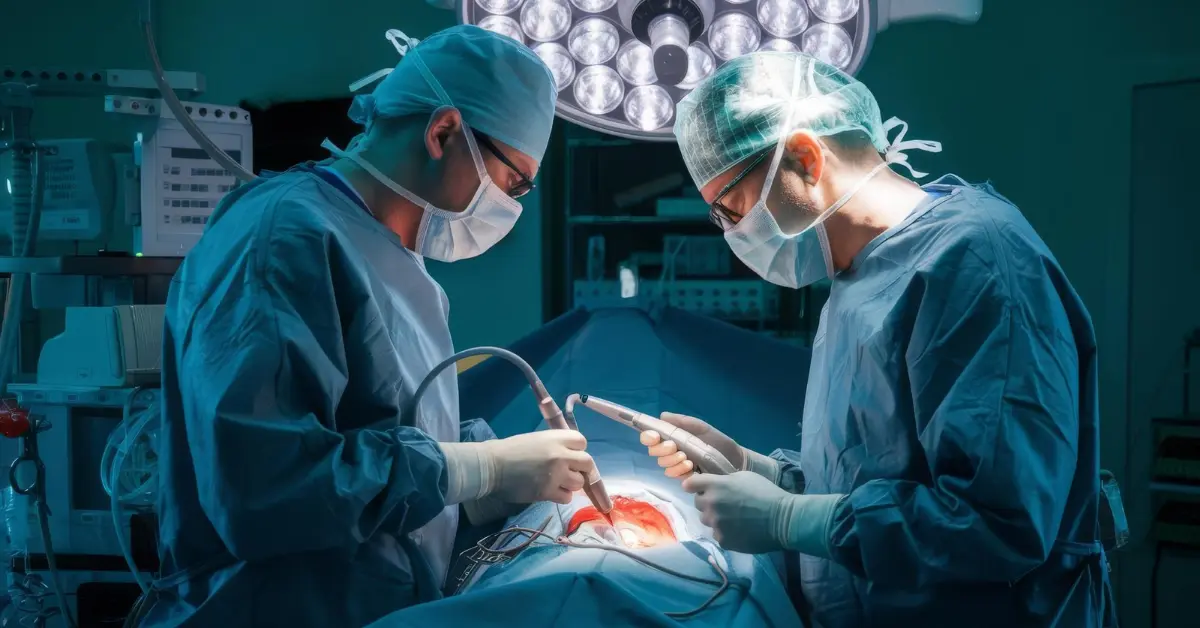
Minimally Invasive Surgery (Laparoscopic)

Minimally invasive laparoscopic surgery ensures smaller cuts, faster recovery, reduced pain, shorter hospital stay, and better outcomes overall.
Minimally Invasive Surgery (Laparoscopic)

Minimally Invasive Surgery (Laparoscopic) has transformed the way modern surgical care is delivered by reducing trauma, speeding up recovery, and improving patient comfort. This advanced surgical approach uses small incisions, precision instruments, and high-definition cameras to perform complex procedures with minimal disruption to the body. Patients today prefer quicker healing, less pain, and shorter hospital stays—and this technique delivers exactly that. Minimally Invasive Surgery (Laparoscopic) is now considered a gold standard for many abdominal and pelvic procedures, combining safety, efficiency, and superior outcomes while aligning with modern lifestyle demands.

What is Minimally Invasive Surgery (Laparoscopic)?

Minimally invasive surgery, also known as laparoscopic surgery, is a technique where operations are performed through tiny keyhole incisions instead of large open cuts.

  • Small incisions: Incisions are usually 0.5–1 cm, reducing tissue damage and visible scarring.
  • Camera-guided precision: A laparoscope transmits magnified images to a screen, allowing surgeons to operate with high accuracy.
  • Specialized instruments: Fine surgical tools are used to access internal organs without opening the entire area.
  • Controlled internal environment: Carbon dioxide is used to gently inflate the abdomen, improving visibility and surgical control.

Why Minimally Invasive Surgery is the New Standard

  • Less pain: Smaller incisions mean reduced nerve and muscle damage.
  • Faster recovery: Most patients return to daily activities much sooner than open surgery.
  • Lower infection risk: Minimal exposure of internal organs reduces post-operative complications.
  • Shorter hospital stays: Many procedures allow discharge within 24–48 hours.
  • Better cosmetic outcomes: Tiny scars heal better and are often barely visible.

Common Conditions Treated with Laparoscopic Surgery

  • Gallbladder disorders: Gallstones and gallbladder inflammation are commonly treated laparoscopically.
  • Hernias: Inguinal, umbilical, and incisional hernias benefit from faster healing.
  • Appendicitis: Laparoscopic appendectomy reduces pain and recovery time.
  • Gynecological conditions: Fibroids, ovarian cysts, endometriosis, and hysterectomy.
  • Gastrointestinal surgeries: Reflux disease, bowel obstruction, and diagnostic procedures.
  • Urological procedures: Certain kidney and bladder surgeries.

Who is an Ideal Candidate?

  • Patients with stable medical conditions: Controlled diabetes or hypertension usually does not limit eligibility.
  • Early to moderate disease stages: Conditions diagnosed early respond best to laparoscopic techniques.
  • Working professionals: Faster recovery means minimal work disruption.
  • Elderly patients: Reduced surgical stress lowers complication risk.
  • Patients prioritizing cosmetic results: Smaller scars improve confidence post-surgery.

Advantages Over Traditional Open Surgery

  • Reduced blood loss: Precision instruments limit unnecessary tissue injury.
  • Lower post-operative pain: Smaller wounds heal faster with less discomfort.
  • Minimal hospital stay: Faster mobilization leads to earlier discharge.
  • Reduced scarring: A major factor for younger and image-conscious patients.
  • Lower overall complication rates: Less exposure equals fewer infections.

Pre-Surgery Preparation (Before Care)

  • Medical evaluation: Blood tests, imaging, and fitness assessment ensure surgical readiness.
  • Medication review: Certain medications may need to be paused or adjusted.
  • Fasting guidelines: Typically required 6–8 hours before surgery.
  • Lifestyle adjustments: Avoid smoking and alcohol to improve healing.
  • Patient education: Clear explanation of the procedure reduces anxiety.

What Happens During the Procedure?

  • General anesthesia: Ensures comfort and pain-free surgery.
  • Small incision creation: Entry points for camera and instruments.
  • Live video guidance: Surgeons operate while viewing internal structures on a monitor.
  • Precision surgical correction: Targeted treatment without disturbing surrounding tissues.
  • Secure closure: Incisions are closed with minimal sutures.

Post-Surgery Recovery (After Care)

  • Early mobilization: Patients are encouraged to walk within hours.
  • Pain management: Mild pain managed with oral medications.
  • Diet progression: Liquids to solids based on tolerance.
  • Wound care: Keeping incision sites clean prevents infection.
  • Follow-up visits: Ensures healing and monitors recovery progress.

Risks and Safety Considerations

  • Minor bleeding: Rare and usually controlled during surgery.
  • Infection: Risk is significantly lower than open surgery.
  • Temporary discomfort: Shoulder pain due to gas used during surgery.
  • Conversion to open surgery: Rare, only if medically necessary.

Why Choose Minimally Invasive Surgery Today?

  • Time-efficient: Shorter recovery aligns with busy schedules.
  • Body-friendly: Less physical stress and faster healing.
  • Outcome-driven: Proven success rates across procedures.
  • Future-ready: Supported by advancing medical technology.

Conclusion

Minimally Invasive Surgery (Laparoscopic) represents the future of surgical care by combining medical precision with patient comfort. This approach minimizes pain, shortens recovery time, and improves overall quality of life after surgery. With reduced hospital stays and faster return to normal activities, Minimally Invasive Surgery (Laparoscopic) meets the expectations of modern patients who value efficiency without compromising safety. Choosing this advanced technique means choosing smarter healing, better outcomes, and a smoother surgical experience.

Frequently Asked Questions

Common questions about Minimally Invasive Surgery (Laparoscopic) and our services

Laparoscopic surgery causes significantly less pain than open surgery because of smaller incisions. Most patients experience mild discomfort that is easily managed with oral painkillers. Early movement and proper aftercare further reduce pain levels, allowing faster recovery and return to normal activities.

Recovery time varies by procedure, but most patients resume daily activities within a few days. Hospital stays are shorter, and full recovery often takes one to two weeks. Compared to open surgery, laparoscopic recovery is faster, smoother, and less physically demanding.

Yes. Laparoscopic surgery is considered safer for older adults due to reduced blood loss, lower infection risk, and minimal surgical stress. Faster recovery and shorter hospital stays make it a preferred option for elderly patients when medically suitable.

Related Blogs

Please select listing to show.

Need Medical Assistance? Book an Appointment Now!

Take the first step toward better digestive health. Book an appointment with our laparoscopy and gastroenterology team to receive expert care, clear guidance, and advanced minimally invasive solutions tailored to your needs.