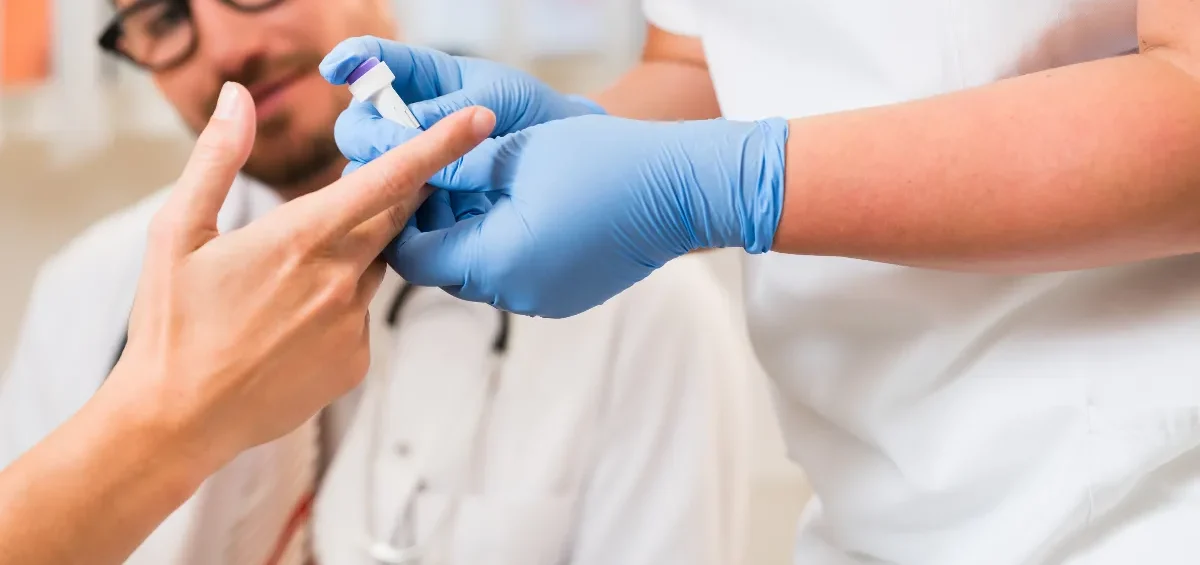
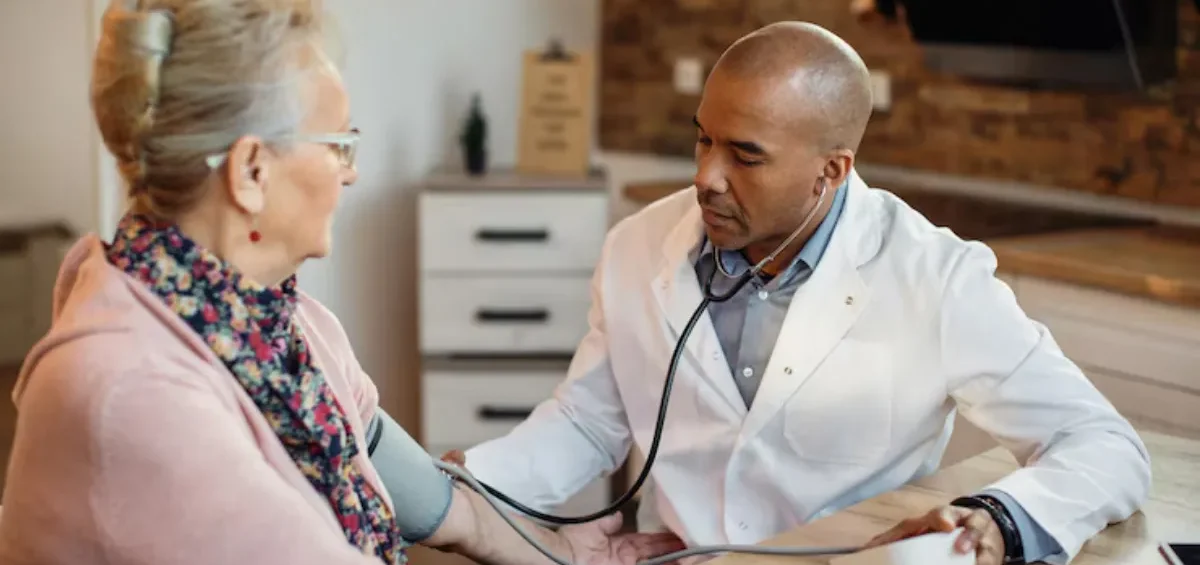
Oncology department offers comprehensive cancer screening, diagnosis, chemotherapy, and supportive care using multidisciplinary and evidence-based treatment approaches.
Oncology is the branch of medicine focused on the diagnosis, treatment, and prevention of cancer. With advancements in technology and treatment modalities, the prognosis for many cancers has improved dramatically, providing patients with better outcomes and quality of life. Whether it’s early detection, cutting-edge treatment options, or supportive care, oncology encompasses a comprehensive approach to help individuals overcome or manage cancer. Understanding cancer’s complexity, from its risk factors to its stages, allows for effective treatment strategies, supporting patients in their fight against the disease.
What is Oncology?
Oncology involves the study and treatment of cancer, a disease characterized by abnormal cell growth that can spread to other parts of the body. Oncology specialists, also known as oncologists, are trained to diagnose and treat cancer using a variety of treatment options such as surgery, chemotherapy, radiation therapy, immunotherapy, and targeted therapy.
Diagnosis: The first step in oncology is identifying the presence of cancer, which can be done through a combination of imaging tests, biopsies, and blood tests.
Treatment: Based on the cancer type and stage, various treatments are prescribed. These include surgery, chemotherapy, radiation, immunotherapy, and targeted therapy.
Prevention: Oncologists also focus on preventing cancer through lifestyle changes, vaccinations (such as the HPV vaccine), and early screenings.
Types of Cancer Treated in Oncology
Oncology treats a broad range of cancers, each requiring a unique treatment plan. Some of the most common cancers include:
Breast Cancer
Breast cancer occurs when abnormal cells grow in the breast tissue, potentially spreading to other parts of the body.
Early detection through mammograms and self-examinations is key. Treatments include surgery, chemotherapy, and hormone therapy.
Lung Cancer
The leading cause of cancer-related deaths globally, lung cancer typically develops in the lungs' tissues. It is often linked to smoking but can also occur in non-smokers.
Treatment includes surgery, radiation, chemotherapy, and immunotherapy, depending on the stage and type of lung cancer.
Prostate Cancer
Prostate cancer affects the prostate gland in men. It is one of the most common cancers but is highly treatable when detected early.
Treatment options include surgery, radiation therapy, hormone therapy, and active surveillance for low-risk cases.
Colorectal Cancer
Colorectal cancer, which includes both colon and rectal cancers, typically starts in the inner lining of the large intestine. It can be prevented with regular screenings.
Treatment often involves surgery, chemotherapy, and radiation therapy.
Skin Cancer
Skin cancer is the most common type of cancer, and it can include basal cell carcinoma, squamous cell carcinoma, and melanoma.
Treatment depends on the type and stage and can include surgery, chemotherapy, radiation, and immunotherapy.
Leukemia
Leukemia is a cancer of the blood and bone marrow. It leads to the production of abnormal blood cells, often impairing the body’s ability to fight infections.
Treatment includes chemotherapy, targeted therapies, stem cell transplants, and immunotherapy.
Lymphoma
Lymphomas are cancers that originate in the lymphatic system, which is part of the body’s immune system. They are categorized into Hodgkin’s and non-Hodgkin’s lymphoma.
Treatment includes chemotherapy, radiation therapy, immunotherapy, and stem cell transplants.
Pancreatic Cancer
Pancreatic cancer begins in the pancreas and is often diagnosed at an advanced stage. It has a relatively low survival rate but can be treated with surgery, chemotherapy, and radiation therapy.
Ovarian Cancer
Ovarian cancer affects the ovaries in women. Symptoms can be vague, so early detection is challenging, but regular pelvic exams and family history can help.
Treatment includes surgery, chemotherapy, and targeted therapies.
Oncology Treatment Options
Surgery
Explanation: Surgery is often the first line of treatment, especially for localized cancers. The goal is to remove the tumor or affected tissue to prevent the spread of cancer cells.
Common Procedures: Mastectomy (for breast cancer), prostatectomy (for prostate cancer), and colectomy (for colorectal cancer) are some common surgeries.
Chemotherapy
Explanation: Chemotherapy uses drugs to kill cancer cells or prevent their growth. It is often used in combination with surgery or radiation therapy.
Common Side Effects: Chemotherapy can cause fatigue, hair loss, nausea, and increased susceptibility to infections.
Radiation Therapy
Explanation: Radiation therapy uses high-energy radiation to target and kill cancer cells. It is often used to shrink tumors before surgery or to kill remaining cancer cells after surgery.
Precautions: Patients undergoing radiation must be closely monitored for potential side effects, including skin irritation and fatigue.
Immunotherapy
Explanation: Immunotherapy enhances the body's immune system to target and fight cancer cells. It has shown promising results in cancers like melanoma, lung cancer, and lymphoma.
Types: Checkpoint inhibitors, monoclonal antibodies, and cancer vaccines are types of immunotherapies that help activate the immune system.
Targeted Therapy
Explanation: Targeted therapy involves drugs that specifically target cancer cells' molecular markers, making treatment more precise and less damaging to healthy cells.
Benefits: Targeted therapy can be used alone or alongside other treatments to manage cancer more effectively.
Hormone Therapy
Explanation: Hormone therapy blocks or lowers the levels of hormones that promote the growth of some cancers, such as breast and prostate cancers.
Common Drugs: Tamoxifen and aromatase inhibitors are commonly used in hormone therapy for breast cancer.
Before and After Cancer Treatment Care
Before Treatment:
Diagnosis and Staging: The first step is an accurate diagnosis, followed by staging the cancer to understand its extent and develop a treatment plan.
Explanation: This involves various tests such as biopsies, CT scans, MRIs, and blood tests to determine the location and spread of cancer.
Setting Treatment Goals: Establishing clear treatment goals is crucial to understanding the outcome of therapy and aligning the patient's expectations.
Explanation: These goals are personalized, ranging from reducing tumor size, alleviating symptoms, or improving overall health and quality of life.
Support System: A strong emotional and social support system is essential. Engaging with loved ones, counselors, or cancer support groups provides comfort.
Explanation: Support groups and counseling help patients manage the emotional toll of cancer, providing coping mechanisms during treatment.
After Treatment:
Follow-up Care: Regular follow-up appointments are essential to monitor for recurrence and manage long-term side effects of treatment.
Explanation: These follow-ups often include imaging tests, blood work, and physical exams to track recovery progress.
Managing Side Effects: After cancer treatment, many patients experience long-term side effects such as fatigue, neuropathy, and changes in appetite.
Explanation: Ongoing care helps address these side effects through physical therapy, dietary support, and lifestyle modifications.
Psychosocial Support: Emotional and psychological support is essential throughout the recovery process, helping patients cope with the challenges of survivorship.
Explanation: Counseling, support groups, and mental health care help manage the emotional stress that comes after cancer treatment.
Conclusion
Oncology is a vast and rapidly evolving field focused on providing hope and solutions for individuals diagnosed with cancer. From diagnosis to treatment and post-care, oncology treatments aim to improve survival rates and enhance the quality of life. With advancements in treatment options, including surgery, chemotherapy, radiation, immunotherapy, and targeted therapies, cancer patients can access personalized care that addresses both their medical and emotional needs. Through ongoing care, recovery is possible, allowing individuals to thrive even after cancer.
Frequently Asked Questions
What are the most common treatments for cancer?
Common treatments include surgery, chemotherapy, radiation therapy, immunotherapy, and targeted therapy. The choice of treatment depends on the type and stage of cancer.
How do I know if I need cancer treatment?
After a proper diagnosis and staging, oncologists recommend treatment plans based on the cancer’s type, stage, and the patient’s health. Early diagnosis often improves treatment outcomes.
What is the recovery process like after cancer treatment?
Recovery varies depending on the type of cancer and treatment. It often includes follow-up appointments, managing side effects, and psychological support to help with emotional healing.