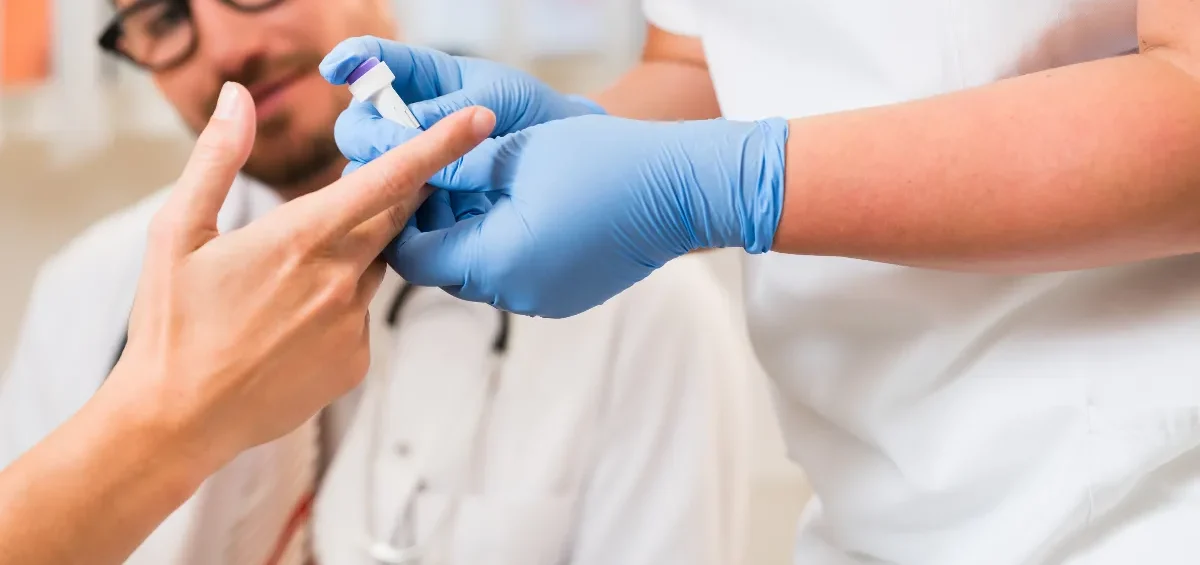
Emergency and trauma care provides rapid response, critical stabilization, and lifesaving treatment for accidents, injuries, and urgent medical situations.
Emergency and trauma care are critical components of healthcare, providing immediate treatment to individuals suffering from serious injuries or medical conditions. Whether it’s an accident, sudden illness, or life-threatening situation, timely and expert care can make the difference between life and death. Emergency care teams are equipped with advanced technology, specialized knowledge, and quick decision-making skills to handle various medical crises.
Trauma care, which deals with injuries from accidents, falls, or violent events, requires immediate intervention to stabilize patients and prevent further harm. With a multidisciplinary approach, emergency and trauma care save lives by ensuring fast, accurate, and comprehensive treatment.
What is Emergency & Trauma Care?
Emergency and trauma care involve immediate, often life-saving medical interventions provided to patients with acute illnesses or injuries. The main goal is to stabilize the patient, manage their condition, and prevent further complications. While emergency care covers a wide range of medical emergencies, trauma care is specifically focused on injuries caused by accidents or violence.
Emergency Care: This type of care is focused on treating conditions that require immediate attention, such as heart attacks, strokes, severe infections, or allergic reactions.
Trauma Care: Trauma care involves the treatment of physical injuries caused by external forces, including blunt trauma (like car accidents) and penetrating trauma (such as gunshot wounds).
Types of Emergency & Trauma Situations
Cardiac Arrest
Cardiac arrest occurs when the heart stops beating effectively, leading to loss of blood circulation. Without immediate treatment, it can result in death.
Treatment: Immediate cardiopulmonary resuscitation (CPR) and defibrillation are essential to restore heart function.
Stroke
A stroke happens when there’s a blockage or rupture of blood vessels in the brain, leading to sudden neurological deficits.
Treatment: Emergency care includes clot-busting medications, blood pressure management, and immediate imaging to determine the cause and extent of the stroke.
Traumatic Injuries
Traumatic injuries result from accidents, falls, or violence. These include fractures, head injuries, burns, and spinal cord injuries.
Treatment: Trauma care focuses on stabilizing the patient, stopping bleeding, immobilizing injuries, and preventing complications such as shock.
Severe Allergic Reactions (Anaphylaxis)
Anaphylaxis is a severe, life-threatening allergic reaction that can cause difficulty breathing, a drop in blood pressure, and swelling of the throat.
Treatment: Emergency care includes the administration of epinephrine, antihistamines, and fluids to reverse the symptoms.
Severe Burns
Burns can range from mild to life-threatening, with severe burns requiring immediate medical intervention.
Treatment: Burn care involves controlling pain, preventing infection, and addressing fluid loss to stabilize the patient.
Head and Neck Injuries
Head injuries, especially those involving trauma to the skull or brain, require urgent care to assess brain function and prevent further damage.
Treatment: Immediate neurological assessment, imaging, and monitoring are essential to prevent long-term consequences.
Fractures and Dislocations
Fractures and dislocations occur when bones are broken or joints are displaced, often due to trauma.
Treatment: Treatment focuses on stabilizing the injury, controlling pain, and ensuring proper alignment through splints or surgery.
Severe Respiratory Distress
Conditions like asthma attacks, pneumonia, or pulmonary edema can cause severe difficulty in breathing, requiring immediate care.
Treatment: Emergency care includes oxygen therapy, bronchodilators, and ventilator support, if necessary.
Severe Internal Bleeding
Internal bleeding can occur due to trauma or certain medical conditions, leading to blood loss and shock.
Treatment: The priority is to stabilize the patient, manage blood loss, and perform diagnostic imaging to locate the source of bleeding.
Emergency & Trauma Care Process
Initial Assessment and Triage
Explanation: The first step in emergency and trauma care is assessing the severity of the condition to prioritize treatment. This is done through a process called triage.
Application: Triage ensures that patients with the most critical conditions receive immediate attention. Vital signs, level of consciousness, and injury severity are evaluated.
Stabilization
Explanation: Once triage is completed, the next step is stabilization. This involves controlling bleeding, securing the airway, and providing medications or fluids to stabilize the patient’s condition.
Application: Stabilization prevents further harm and prepares the patient for additional interventions, such as surgery or imaging studies.
Imaging and Diagnostics
Explanation: Advanced imaging techniques like X-rays, CT scans, and MRIs are used to assess the extent of injuries and identify internal conditions.
Application: Diagnostic imaging helps medical professionals determine the appropriate treatment path and whether surgical intervention is necessary.
Treatment and Surgery
Explanation: Once the diagnosis is confirmed, treatment can begin. This may involve medication, surgical procedures, or other interventions to address the patient’s needs.
Application: For trauma patients, surgery may be required to repair internal injuries, set fractures, or address life-threatening conditions like bleeding.
Post-Stabilization Care
Explanation: After stabilization and initial treatment, ongoing monitoring and post-care are essential to ensure the patient's condition does not deteriorate.
Application: Post-care includes continuous observation, pain management, and addressing any complications that may arise during recovery.
Before and After Emergency & Trauma Care
Before Treatment:
Initial Assessment: The first step is the rapid evaluation of the patient’s condition, including vital signs, level of consciousness, and physical examination.
Explanation: The medical team identifies the severity of the condition, prioritizes care, and decides on immediate interventions to stabilize the patient.
Triage System: Triage categorizes patients into different urgency levels, ensuring the most critical cases receive immediate attention.
Explanation: Triage is a vital process in emergency care, as it helps prioritize patients based on their immediate needs and the resources available.
Setting Treatment Priorities: Based on the initial assessment, the treatment priorities are set to ensure that the most urgent needs are addressed first.
Explanation: Immediate interventions like CPR, stopping bleeding, or providing oxygen are initiated according to the patient’s condition.
After Treatment:
Recovery Monitoring: After treatment, the patient is monitored closely to track vital signs, manage pain, and assess recovery progress.
Explanation: Continuous observation ensures that any complications are addressed promptly, improving the chances of a full recovery.
Rehabilitation and Follow-up Care: After stabilization, rehabilitation may be necessary to help patients regain mobility, strength, and function, especially after traumatic injuries or surgeries.
Explanation: Physical therapy, wound care, and psychological support may be part of the follow-up care process, ensuring the patient heals both physically and emotionally.
Psychosocial Support: Emergency and trauma care often involve emotional stress, and providing psychological support is essential for patient recovery.
Explanation: Offering counseling, support groups, and stress management helps individuals cope with the trauma they experienced, promoting overall well-being.
Conclusion
Emergency and trauma care is essential for saving lives in critical situations. Immediate intervention, expert care, and timely treatment can significantly impact recovery outcomes, whether from accidents, strokes, or heart attacks. With state-of-the-art diagnostic tools, skilled medical teams, and a structured approach to care, emergency departments and trauma units provide comprehensive care for individuals in need. The focus on stabilization, treatment, and post-care ensures that patients recover fully and are given the best chance to lead a healthy life after a medical emergency or traumatic event.
Frequently Asked Questions
What should I do in a medical emergency?
In a medical emergency, call emergency services immediately. If possible, provide clear details of the situation, follow basic first aid steps, and stay calm while waiting for help.
How is trauma care different from regular emergency care?
Trauma care specifically focuses on injuries caused by external forces like accidents or violence, requiring urgent attention to stabilize the patient and prevent further complications.
What happens if I need surgery after trauma care?
If surgery is needed, trauma surgeons will perform necessary operations to repair fractures, internal injuries, or organ damage. Post-operative care is essential to ensure recovery.