Orthopaedics focuses on diagnosing, treating, and preventing conditions affecting bones, joints, muscles, ligaments, tendons, and the spine. From everyday joint pain to complex trauma and sports injuries, orthopaedic care plays a major role in restoring movement and quality of life. With modern diagnostics, minimally invasive techniques, and advanced rehabilitation, orthopaedics today is less about long hospital stays and more about faster recovery and long-term mobility. Whether it’s chronic knee pain, back issues, fractures, or ligament injuries, timely orthopaedic care helps people stay active, independent, and pain-free across all age groups.
Orthopaedics covers a wide range of musculoskeletal conditions. Each condition needs a targeted, evidence-based approach for effective recovery.
Orthopaedic specialists manage both acute injuries and chronic conditions that affect mobility and comfort.
Modern orthopaedics focuses on precision, safety, and faster recovery.
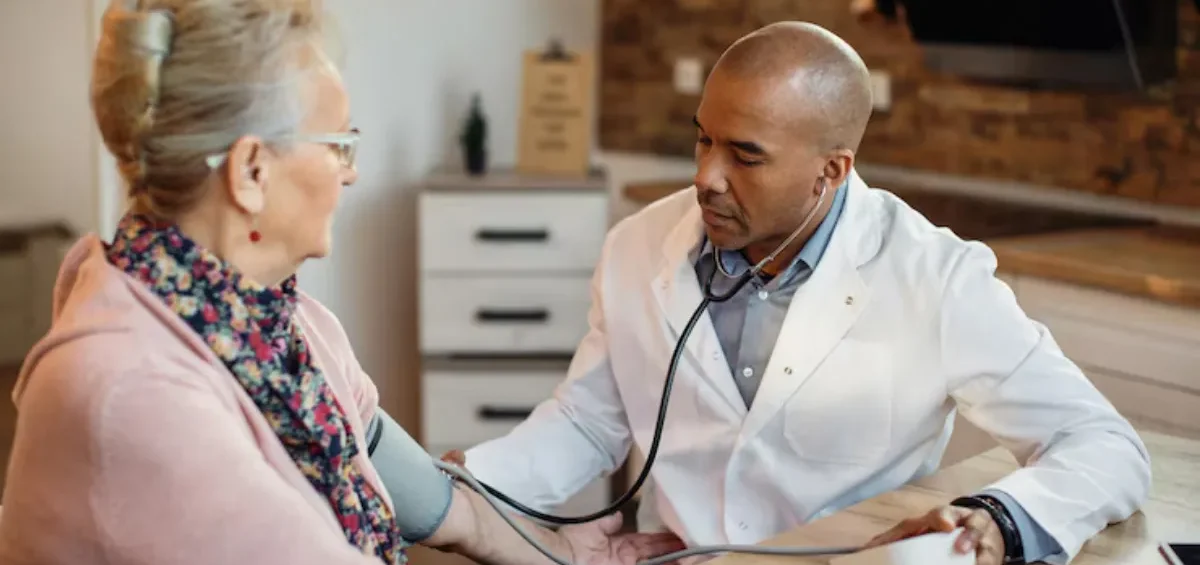
Accurate diagnosis is the foundation of effective orthopaedic care.
Delaying treatment can worsen damage and prolong recovery.
Early care isn’t optional—it’s smart.
Recovery doesn’t end after treatment or surgery. Rehabilitation is crucial.
Proper preparation improves treatment outcomes.
Post-treatment care determines long-term success.
Skipping aftercare = risking setbacks. Simple as that.
You should consider orthopaedic consultation if you have:
Pain is not normal—don’t normalize it.
Orthopaedics is not just about fixing bones—it’s about restoring movement, confidence, and quality of life. With advances in diagnostics, minimally invasive treatments, and structured rehabilitation, most orthopaedic conditions can be managed effectively when addressed early. Whether dealing with joint pain, injuries, or chronic musculoskeletal issues, expert orthopaedic care helps people stay active and independent. Investing in timely treatment, proper rehabilitation, and long-term care is the key to healthier movement and a better, pain-free future.
An orthopaedic doctor treats conditions related to bones, joints, muscles, ligaments, tendons, and the spine. This includes arthritis, fractures, sports injuries, back pain, joint disorders, and trauma. They manage both non-surgical treatments and surgical procedures to restore mobility, reduce pain, and improve overall musculoskeletal function.

You should see an orthopaedic specialist if you have persistent joint or bone pain, swelling, stiffness, difficulty moving, or pain after an injury. If discomfort affects daily activities, sleep, or mobility, early consultation helps prevent worsening of the condition and improves recovery outcomes.
No, surgery is not always required. Many orthopaedic conditions are treated with medications, physiotherapy, lifestyle changes, and minimally invasive procedures. Surgery is recommended only when conservative treatments fail or when the condition significantly affects function, mobility, or quality of life.