
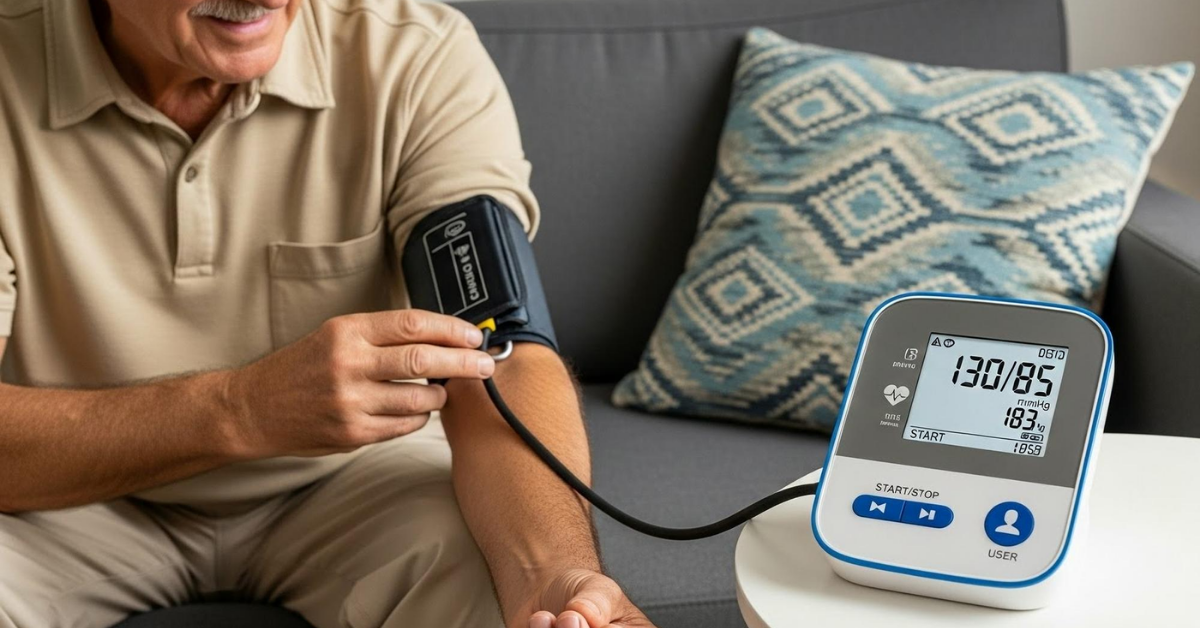
Diabetics and Hypertension

Diabetics and hypertension often coexist, increasing heart and kidney risks, requiring strict lifestyle control and regular monitoring care.
Diabetics and Hypertension

Diabetics and Hypertension is no longer a rare health concern—it’s becoming the default reality for many adults juggling fast-paced urban lives, desk jobs, stress, irregular meals, and poor sleep cycles. These two conditions often travel together, silently damaging blood vessels, nerves, kidneys, eyes, and the heart long before symptoms feel “serious.” The scary part? Most people normalize fatigue, headaches, or frequent urination and delay care. The smart move today is early awareness, consistent monitoring, and lifestyle-first medical management. Chennai’s urban population needs a proactive, preventive approach—not crisis-driven treatment—to stay ahead of long-term complications and protect quality of life.

Why Diabetes and Hypertension Often Occur Together

  • Insulin resistance affects blood vessel flexibility
  • High blood sugar damages arterial walls
  • Hypertension reduces insulin sensitivity
  • Chronic inflammation links both conditions
  • Obesity and sedentary lifestyle fuel both
  • Genetic predisposition increases combined risk

When unmanaged, one condition accelerates the damage caused by the other. That’s why combined care matters.

Key Risk Factors You Shouldn’t Ignore

  • Family history of diabetes or high BP
  • Central obesity (belly fat)
  • High-salt, high-carb diet
  • Long sitting hours with minimal movement
  • Smoking, alcohol, and poor sleep
  • Chronic stress and irregular work schedules

Early Warning Signs (Don’t Wait for a Crisis)

  • Frequent urination or excessive thirst
  • Persistent fatigue or brain fog
  • Headaches, dizziness, or blurred vision
  • Slow wound healing
  • Numbness or tingling in hands and feet
  • Chest discomfort or shortness of breath

These signs demand evaluation, not excuses.

Diagnostic Approach (What Proper Evaluation Includes)

  • Fasting & post-prandial blood sugar
  • HbA1c (3-month sugar control marker)
  • Blood pressure trend monitoring
  • Lipid profile
  • Kidney function tests
  • ECG and eye examination (if indicated)

Treatment Strategy: Smart, Not Aggressive

A modern approach focuses on balance, not over-medication.

Medical Management

  • Individualized anti-diabetic therapy
  • BP medications tailored to age and risk
  • Avoiding drug interactions
  • Gradual optimization instead of sudden drops

Lifestyle Optimization

  • Sustainable diet, not crash plans
  • Consistent daily movement
  • Stress regulation
  • Sleep hygiene

Nutrition Rules That Actually Work

  • Eat at consistent times
  • Prioritize fiber-rich vegetables
  • Choose whole grains over refined carbs
  • Limit salt and processed foods
  • Balance protein at every meal
  • Hydrate smartly, not excessively
  • No extremes. Just consistency.

Physical Activity (No Gym Excuses)

  • 30–45 minutes brisk walking daily
  • Light strength training 2–3 times/week
  • Stretching to reduce vascular stiffness
  • Avoid prolonged sitting—move every hour

Stress, Sleep & Metabolic Health

  • Chronic stress spikes cortisol → raises sugar & BP
  • Poor sleep worsens insulin resistance
  • Screen overload disrupts circadian rhythm

Fixing sleep and stress is not optional—it’s treatment.

Before Care (Preventive Phase)

  • Annual health screening after age 30
  • Monitor BP and sugar even if “normal”
  • Maintain waist circumference targets
  • Build exercise into routine, not weekends
  • Reduce salt and sugar early
  • Quit smoking and limit alcohol

Prevention is cheaper than complications.

After Care (Long-Term Control)

  • Regular follow-ups every 3–6 months
  • Track HbA1c and BP trends
  • Adjust medications as lifestyle improves
  • Annual kidney, eye, and heart checks
  • Stay educated and proactive

What Happens If You Ignore It

  • Heart attack and stroke risk multiplies
  • Kidney failure requiring dialysis
  • Vision loss
  • Nerve damage and foot ulcers
  • Reduced lifespan and quality of life

This combo doesn’t forgive delays.

Conclusion

Managing Diabetics and Hypertension isn’t about fear—it’s about control, consistency, and clarity. With early diagnosis, structured treatment, lifestyle correction, and regular monitoring, people can live long, productive, complication-free lives. The era of ignoring “borderline” values is over. Smart healthcare today means acting early, staying disciplined, and treating these conditions as manageable—not inevitable. Your future health is built by daily decisions, not emergency interventions. Start now, stay consistent, and stay ahead.

Frequently Asked Questions

Common questions about Diabetics and Hypertension and our services

Yes. When managed together, outcomes improve significantly. Coordinated treatment helps reduce medication load, lowers complication risk, and improves heart, kidney, and nerve protection. Lifestyle changes amplify medical benefits.

Not always at high doses. Early diagnosis, weight control, diet correction, and regular activity can reduce medication requirements. Some patients maintain stable control with minimal drugs under medical supervision.

Blood pressure should be checked weekly at home. Blood sugar monitoring depends on treatment type, but HbA1c every three months is standard for long-term control and treatment adjustment.

Related Blogs

Please select listing to show.

Need Medical Assistance? Book an Appointment Now!

Take the first step toward better digestive health. Book an appointment with our laparoscopy and gastroenterology team to receive expert care, clear guidance, and advanced minimally invasive solutions tailored to your needs.