
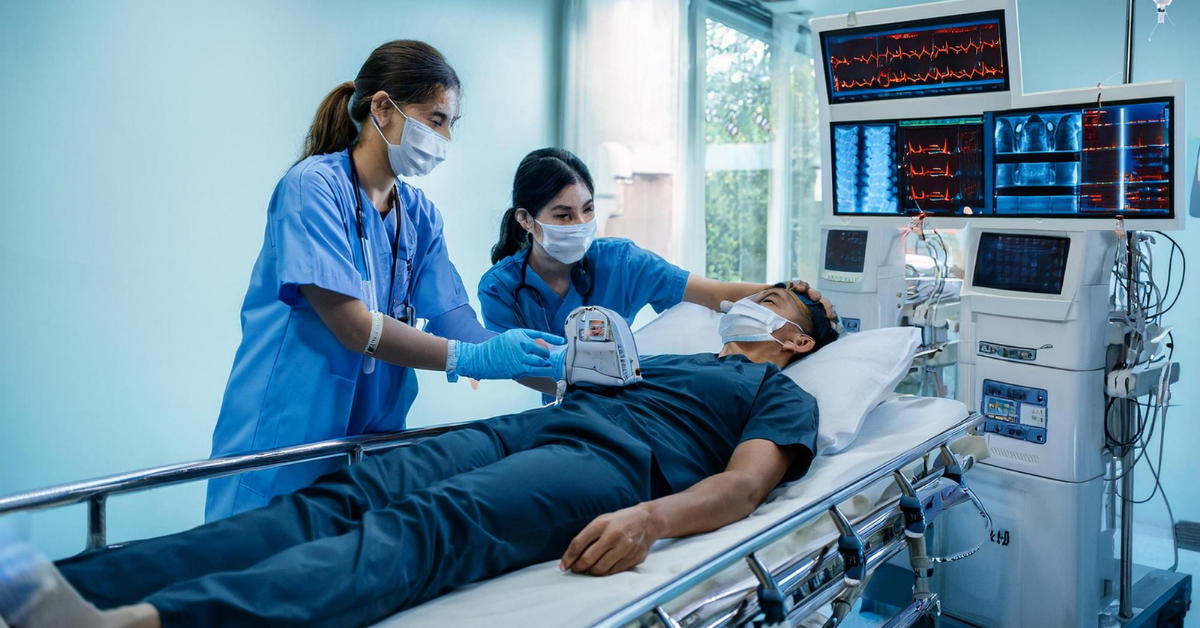
Emergency and ICU Care

24/7 emergency and ICU care delivering rapid response, critical monitoring, advanced life support, and multidisciplinary specialist management.
Emergency and ICU Care

Emergency and ICU Care is designed for moments when every second matters and medical decisions cannot wait. From sudden cardiac events to severe infections, trauma, or breathing failure, rapid intervention saves lives. A well-equipped emergency department supported by advanced ICU facilities ensures patients receive immediate stabilization, continuous monitoring, and expert clinical support. Modern critical care focuses not just on survival, but on minimizing complications and supporting faster recovery. With trained specialists, evidence-based protocols, and 24/7 readiness, timely critical care becomes the strongest safety net during medical emergencies.

What is Emergency and ICU Care?

  • Emergency Care: Handles acute medical and surgical conditions such as heart attacks, strokes, accidents, infections, and sudden deterioration. The goal is rapid diagnosis, stabilization, and decision-making.
  • Intensive Care Unit (ICU): Designed for patients who need continuous monitoring, organ support, and advanced interventions. ICU care focuses on maintaining vital functions and preventing complications.

Conditions Managed Under Emergency and ICU Care

  • Cardiac emergencies: Includes heart attacks, unstable angina, arrhythmias, and sudden cardiac arrest requiring immediate resuscitation and monitoring.
  • Neurological emergencies: Stroke, seizures, head injury, and altered consciousness need rapid imaging and neuro-critical care support.
  • Respiratory failure: Severe pneumonia, asthma attacks, COPD exacerbations, or oxygen failure may require ventilatory support.
  • Sepsis and severe infections: Life-threatening infections need aggressive antibiotics, fluid management, and organ support.
  • Trauma and accidents: Polytrauma cases require fast stabilization, bleeding control, and multi-disciplinary coordination.

Advanced ICU Infrastructure and Technology

  • Continuous patient monitoring: Tracks heart rate, blood pressure, oxygen levels, and neurological status in real time.
  • Mechanical ventilation systems: Supports patients who cannot breathe adequately on their own.
  • Advanced imaging and diagnostics: Quick access to CT scans, X-rays, ultrasound, and lab services speeds up critical decisions.
  • Life-support equipment: Includes infusion pumps, defibrillators, and organ-support systems to manage unstable patients.

Expert Medical Team and 24/7 Readiness

  • Critical care specialists: Doctors trained specifically to manage complex and unstable conditions.
  • Emergency physicians: Experts in rapid assessment and immediate life-saving interventions.
  • Skilled ICU nurses: Provide round-the-clock monitoring, medication management, and patient support.
  • Multi-disciplinary collaboration: Surgeons, cardiologists, neurologists, and pulmonologists work together when required.

Before Care: What Happens on Arrival

  • Immediate triage: Patients are quickly assessed based on severity to initiate urgent treatment.
  • Stabilization measures: Airway, breathing, and circulation are secured first to prevent deterioration.
  • Rapid diagnostics: Essential tests are performed immediately to identify the root cause.

During ICU Care: Continuous Critical Support

  • 24/7 vital monitoring: Continuous observation helps detect even minor changes early.
  • Personalized treatment plans: Care is adjusted based on real-time patient response.
  • Infection prevention protocols: Strict hygiene and monitoring reduce ICU-related complications.

After Care: Recovery and Transition Support

  • Step-down care planning: Patients are safely shifted from ICU to wards when stable.
  • Rehabilitation guidance: Physical therapy, respiratory exercises, or dietary plans may be initiated early.
  • Family education and counseling: Caregivers are guided on medications, warning signs, and follow-up care.

Why Timely Emergency and ICU Care Matters

  • Early intervention saves organs and lives
  • Continuous monitoring prevents sudden deterioration
  • Coordinated care improves recovery outcomes

Conclusion

Emergency and ICU Care represents the backbone of modern critical healthcare, where speed, skill, and technology come together during life-threatening situations. Immediate assessment, expert decision-making, and round-the-clock monitoring ensure patients receive the highest level of care when they are most vulnerable. With structured protocols, advanced equipment, and a trained medical team, critical care not only improves survival rates but also supports smoother recovery and safer transitions after stabilization.

Frequently Asked Questions

Common questions about Emergency and ICU Care and our services

Emergency and ICU care is required when a person experiences sudden chest pain, breathing difficulty, loss of consciousness, severe infection, stroke symptoms, or major trauma. Any condition that worsens rapidly or threatens vital organs needs immediate medical attention and possibly intensive monitoring to prevent complications.

Emergency care focuses on rapid assessment and stabilization of acute conditions, while ICU care is for patients who need continuous monitoring and advanced life support. Many patients first receive emergency treatment and are then shifted to the ICU if their condition remains critical.

ICU stay depends on the severity of the condition and how well the patient responds to treatment. Some patients recover within a few days, while others may need longer monitoring. The goal is always to stabilize the patient and move them safely to step-down care as soon as possible.

Related Blogs

Please select listing to show.

Need Medical Assistance? Book an Appointment Now!

Take the first step toward better digestive health. Book an appointment with our laparoscopy and gastroenterology team to receive expert care, clear guidance, and advanced minimally invasive solutions tailored to your needs.