
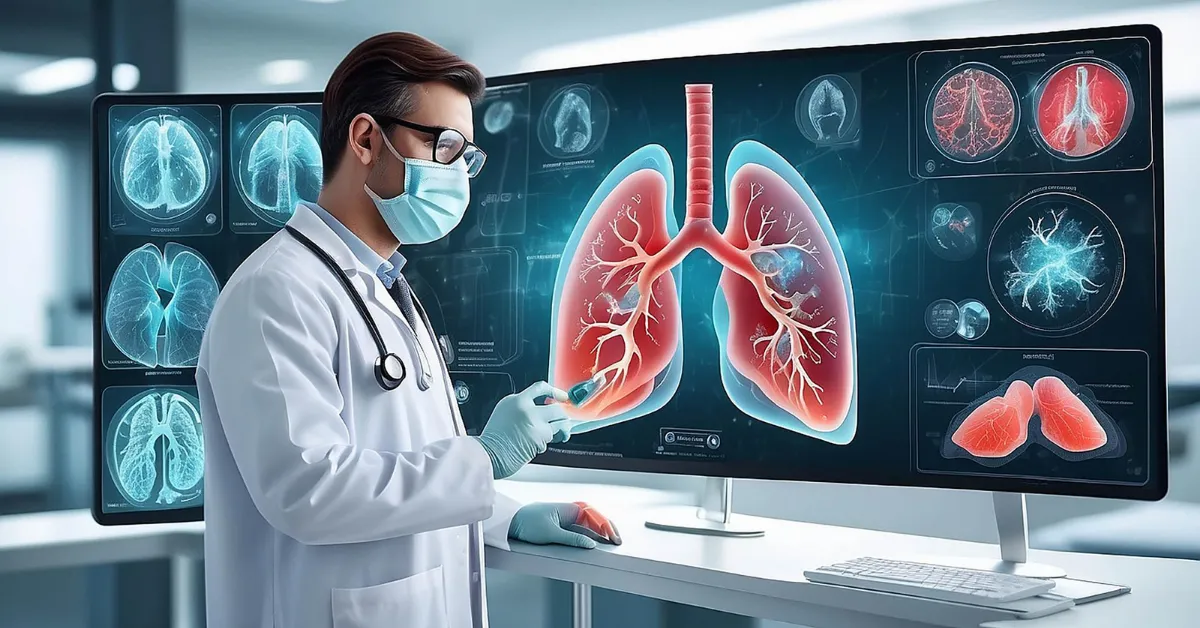
Pulmonary focuses on diagnosing, treating, and managing diseases that affect the lungs and respiratory system. With rising air pollution, lifestyle changes, and post-infection lung complications, respiratory care has become a priority for people of all ages. From chronic cough and asthma to advanced lung disorders, timely pulmonary care improves breathing quality, energy levels, and long-term health outcomes. Access to modern diagnostics, evidence-based treatment protocols, and preventive guidance makes pulmonary care essential for urban populations seeking better respiratory health and sustained quality of life.
Pulmonary care deals with conditions related to the lungs, airways, and breathing mechanics.
Key focus areas include:
Pulmonary disorders range from mild to life-altering and require early evaluation.
Frequently managed conditions:
Respiratory symptoms are often normalized, but they signal deeper issues.
Warning signs include:
Accurate diagnosis drives effective treatment.
Common diagnostic tools:
Treatment depends on disease type, severity, and lifestyle factors.
Management strategies include:
Rehabilitation is a game-changer, not optional care.
What it includes:
Prevention protects lungs before damage begins.
Preventive measures include:
Preparation improves diagnostic accuracy and treatment response.
Before pulmonary evaluation:
Consistency after treatment prevents relapse.
After pulmonary treatment:
Delaying care leads to irreversible lung damage.
Benefits of early intervention:
Pulmonary plays a critical role in managing respiratory health in an increasingly polluted and fast-paced environment. Lung conditions impact energy, sleep, productivity, and overall wellness. Early diagnosis, structured treatment, rehabilitation, and preventive strategies help individuals breathe better and live stronger. With consistent follow-up and lifestyle alignment, pulmonary care not only treats disease but restores confidence, mobility, and long-term respiratory stability for people across all age groups.
If breathlessness, chronic cough, wheezing, or repeated chest infections persist beyond a few weeks, pulmonary evaluation is recommended. Early consultation helps identify conditions before permanent lung damage occurs. Even mild symptoms can indicate underlying respiratory imbalance that benefits from timely assessment and intervention.
No. Pulmonary care also addresses early-stage respiratory symptoms, allergies, mild asthma, and post-infection breathing issues. Preventive pulmonary evaluation helps optimize lung function, reduce flare-ups, and maintain long-term respiratory health, especially in polluted urban environments.
Treatment duration varies based on the condition. Acute infections may resolve in weeks, while chronic conditions like asthma or COPD require ongoing management. Consistent medication use, rehabilitation, and follow-up significantly improve outcomes and reduce long-term complications.
Take the first step toward better digestive health. Book an appointment with our laparoscopy and gastroenterology team to receive expert care, clear guidance, and advanced minimally invasive solutions tailored to your needs.