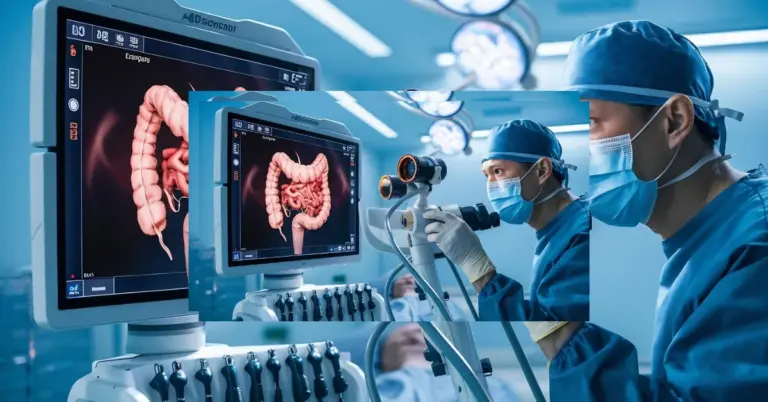
Colonoscopy services providing precise examination of the colon for early detection and effective treatment.
A colonoscopy is a medical procedure used to examine the inner lining of the colon and rectum for abnormalities. Using a flexible tube with a camera, this test helps detect conditions like colorectal cancer, polyps, and inflammatory bowel disease (IBD). It is a crucial tool for early diagnosis and prevention.
Key Features
Early Cancer Detection
Colonoscopy can detect colorectal cancer early, allowing for timely intervention and significantly improving survival rates with early treatment.
Polyps Detection and Removal
During the procedure, polyps can be detected and removed, preventing them from developing into cancer over time.
Minimally Invasive
Colonoscopy is a minimally invasive procedure that requires only small incisions, offering quick recovery and less discomfort for patients.
Comprehensive Diagnosis
It provides detailed images of the colon, helping doctors diagnose a variety of conditions, including inflammatory bowel disease and diverticulosis.
Prevention and Monitoring
Colonoscopies help prevent future complications by identifying issues early, especially in patients with a family history of colon cancer.
Comfortable Procedure with Sedation
The procedure is performed under sedation to ensure patient comfort, minimizing discomfort and making it a relatively easy experience.