
Strong bones are not just about height or posture — they are the foundation of mobility, strength, and long-term independence. Many people only start thinking about bone care after pain or fractures appear. But the real strategy lies in prevention. If you are wondering How to improve bone health, the answer begins with awareness, nutrition, movement, and timely medical guidance.
At DSK Multi-speciality Hospitals, specialists emphasize early screening, lifestyle correction, and personalized care to help individuals protect their skeletal strength at every age. Understanding How to improve bone health today can prevent serious complications like osteoporosis, fractures, and chronic joint problems tomorrow.
Why is Bone Health Important?
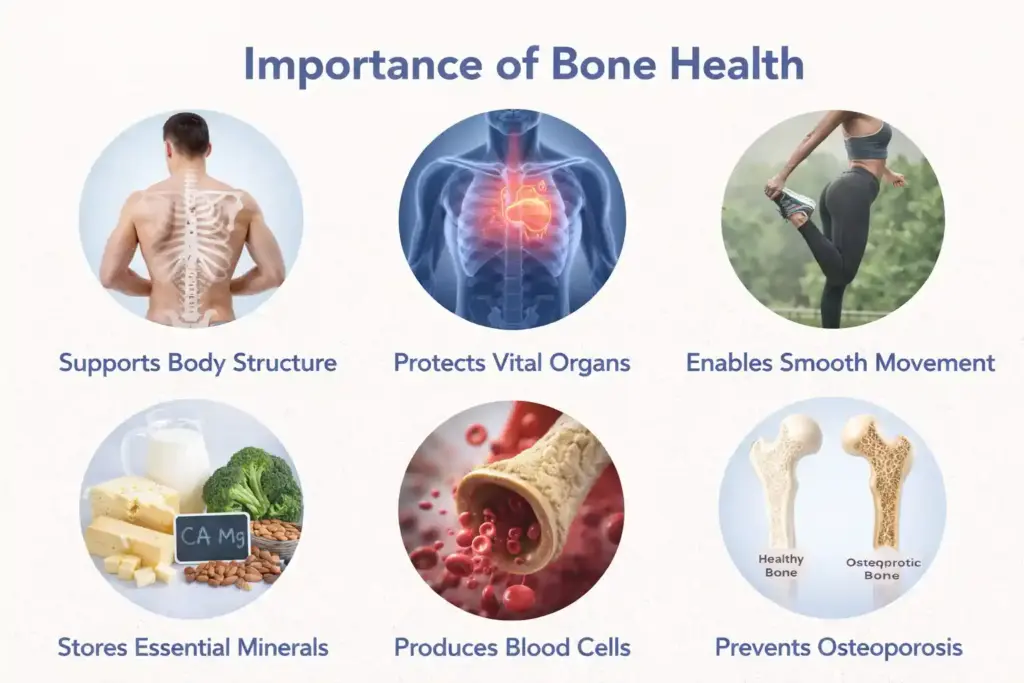
Bones do more than hold your body upright. They:
- Shield essential organs such as the brain, heart, and lungs from injury and external impact.
- Store essential minerals such as calcium and phosphorus
- Support muscle movement and balance
- Produce blood cells through bone marrow
Poor bone strength increases the risk of fractures, disability, and reduced quality of life. That’s why learning How to improve bone health is essential for both men and women — especially after 30, when bone density gradually starts declining.
What Are the Symptoms of Poor Bone Health?
Bone weakness often develops silently. However, warning signs may include:
- Frequent fractures from minor injuries
- Persistent back pain
- Reduced height over time
- Stooped posture
- Joint stiffness or weakness
If you experience these signs, it may be time to evaluate How to improve bone and joint Health before the condition progresses further.
What Happens to My Bones as I Get Older?
As we age:
- Bone formation slows down
- Bone breakdown increases
- Calcium absorption reduces
- Hormonal changes affect density (especially in women after menopause)
By age 40, bone mass naturally begins to decline. Without intervention, this may lead to osteoporosis. This is exactly why understanding How to improve your bone health early in life creates long-term protection.
What Can I Do to Improve My Bone Health?
If you are actively searching for How to improve bone health, focus on these key strategies:
Increase Calcium Intake
Adults need around 1000–1200 mg daily. Include milk, curd, paneer, leafy greens, almonds, and ragi.
Get Enough Vitamin D
Sunlight exposure (15–20 minutes daily) helps calcium absorption. Supplements may be advised if levels are low.
Add Protein to Your Diet
Protein supports bone matrix strength. Include lentils, eggs, fish, lean meat, and legumes.
Stop Smoking & Limit Alcohol
Both reduce bone density over time.
Regular Health Screening
Bone density scans help detect early changes.
People often ask about How to improve bone marrow health — adequate iron, vitamin B12, folate, and protein intake support healthy marrow function and blood cell production.
What Affects Bone Health?
Several factors influence bone strength:
- Age
- Gender (women are at higher risk)
- Hormonal levels
- Physical activity
- Nutrition
- Family history
- Medical conditions like thyroid disorders or arthritis
If you truly want clarity on How to improve bone health, you must address these underlying factors with medical guidance.
What Supports Bone Health?
Bone health thrives when multiple systems work together.
Balanced Nutrition
Calcium, vitamin D, magnesium, and phosphorus are critical.
Hormonal Balance
Estrogen and testosterone influence bone density.
Healthy Body Weight
Being underweight increases fracture risk.
Gut Health
Good digestion improves mineral absorption.
Understanding How to improve bone and joint Health includes strengthening muscles and maintaining flexibility along with bone density.
How Does Exercise Improve Bone Health?
Exercise is one of the most powerful answers to How to improve bone health naturally.
Weight-Bearing Exercises
Walking, jogging, stair climbing, and dancing stimulate bone formation.
Strength Training
Lifting weights increases bone density and muscle support.
Balance Training
Yoga and tai chi reduce fall risk.
Resistance Exercises
Improve joint stability and mobility.
When people ask How to improve your bone health, consistent physical activity remains one of the most evidence-based solutions.
Conclusion
Bone strength determines how confidently you move, work, and age. The earlier you start focusing on How to improve bone health, the better your long-term outcomes. Nutrition, exercise, hormone balance, and medical evaluation all play crucial roles.
At DSK Multi-speciality Hospitals, comprehensive bone health assessments, diagnostic screenings, and expert orthopedic guidance ensure personalized care plans tailored to every age group. If you are serious about How to improve bone health, proactive action today can prevent fractures, disability, and mobility loss in the future.